Sponsored article
In recent years, the field of antibody development and immunoassay technology has witnessed a surge of innovative breakthroughs, driving progress in areas such as diagnostics and therapeutic applications. These advancements are reshaping traditional methods and introducing powerful new tools for researchers and clinicians alike. As we delve into the latest trends and technologies, we will explore how these innovations are transforming the landscape of antibody development and their profound impact on healthcare and scientific research.
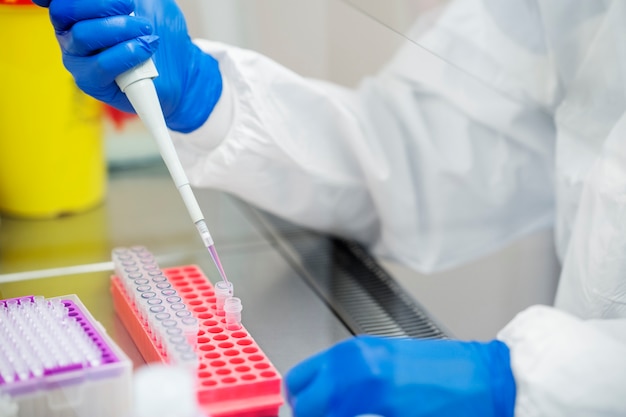
The field of antibody development has seen significant advancements, particularly in the production of monoclonal and polyclonal antibodies. These innovations are transforming research and therapeutic approaches, offering high precision and efficacy. Monoclonal antibody production has been revolutionized by techniques such as hybridoma technology, which combines myeloma cells with desired B-cells, creating an immortal cell line that consistently produces specific antibodies. Recent advancements in genetic engineering, such as CRISPR-Cas9, allow for precise modifications, enhancing the affinity and specificity of these antibodies. On the other hand, polyclonal antibody production benefits from improved immunization strategies and enhanced selection methods, ensuring a broader and more robust antibody response. Technologies like phage display and transgenic animal models have refined the screening process, increasing the yield and quality of polyclonal antibodies.
Key methodologies and technologies in antibody production include:
As the industry advances, Biolab continues to be at the forefront, providing high-quality antibodies and innovative solutions to researchers worldwide. Their commitment to excellence ensures that the latest techniques in antibody development are accessible to scientists globally. For more information about Biolab’s extensive product offerings in monoclonal and polyclonal antibodies, visit their website Biolab.
Innovations in immunoassay technology are significantly transforming the landscape of both diagnostics and research, introducing novel assay formats that deliver unprecedented levels of sensitivity and specificity. These advancements enable more precise detection of biomolecules, enhancing the performance of diagnostic tools in clinical settings. Modern assay methodologies are evolving with the integration of cutting-edge technologies such as microfluidics and digital immunoassays, which allow for multiplexing capabilities and improved accuracy. As a result, these innovations facilitate early detection of diseases, effective monitoring of health conditions, and groundbreaking research in biomedical fields.
The development of new assay formats, such as electrochemical and biosensor-based immunoassays, promises to further revolutionize the field by enabling rapid and affordable testing solutions. Enhanced assay methodologies are also empowering researchers with more reliable and reproducible data, ultimately leading to accelerated progress in scientific investigations. These pioneering changes not only optimize existing diagnostic tools but also pave the way for the creation of innovative assays with broader applications in both routine and specialized testing scenarios.
Artificial intelligence and machine learning are revolutionizing the field of antibody development through sophisticated computational biology techniques. These technologies enable researchers to optimize antibody development by predicting complex antibody-antigen interactions with high precision. By leveraging vast datasets, machine learning algorithms can identify patterns and predict how different antibodies will bind to their respective antigens, significantly accelerating the early stages of antibody discovery. Such predictive capability not only reduces the time and resources required but also enhances the reliability and specificity of the antibodies being developed.
Furthermore, artificial intelligence assists in the design of high-affinity antibodies, optimizing their binding properties to improve effectiveness and therapeutic potential. Machine learning models can be trained to sift through enormous quantities of biological data to identify protein structures that exhibit optimal binding characteristics, paving the way for the creation of next-generation antibodies. Through these advanced computational biology processes, AI and machine learning are integral to pushing the boundaries of what is possible in antibody optimization, thus driving innovation in immunoassay technology.